
Uncategorized
CHEWs Trained on POCUS for Breast Screening to Enhance Early Detection in Communities
In a groundbreaking effort to improve breast cancer early detection in underserved communities, Community Health Extension Workers (CHEWs) have been trained in the use of Point-of-Care Ultrasound (POCUS) technology for breast screening. This initiative which happened on the 27th of September, marks a significant step toward equipping primary healthcare providers with advanced diagnostic tools to…
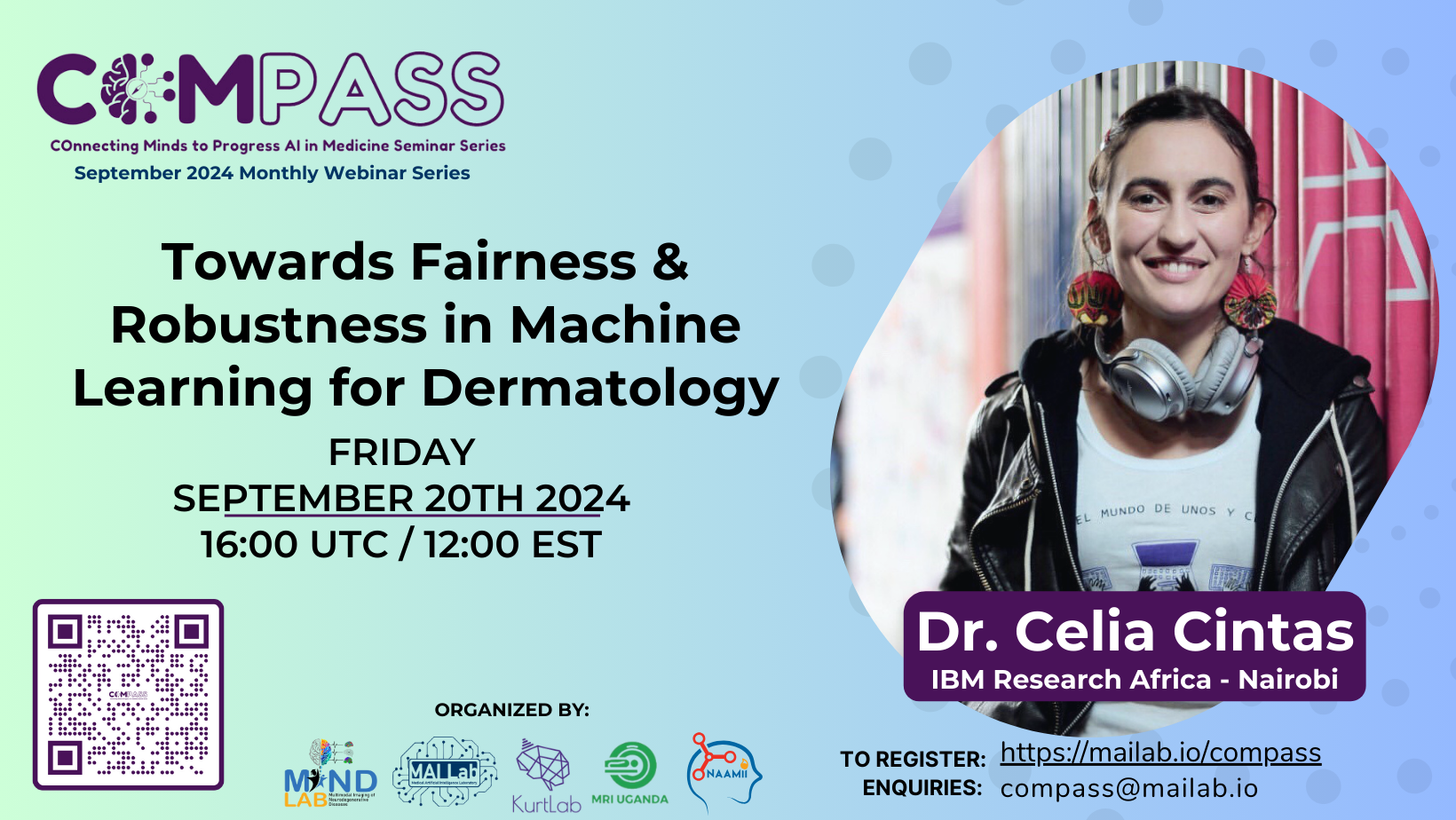
Towards Fairness & Robustness in Machine Learning for Dermatology – Celia Cintas – COMPASS September 2024
Title: Towards Fairness & Robustness in Machine Learning for Dermatology Abstract: Recent years have seen an overwhelming body of work on fairness and robustness in Machine Learning (ML) models. This is not unexpected, as it is an increasingly important concern as ML models are used to support decision-making in high-stakes applications such as mortgage lending, hiring, and diagnosis in…
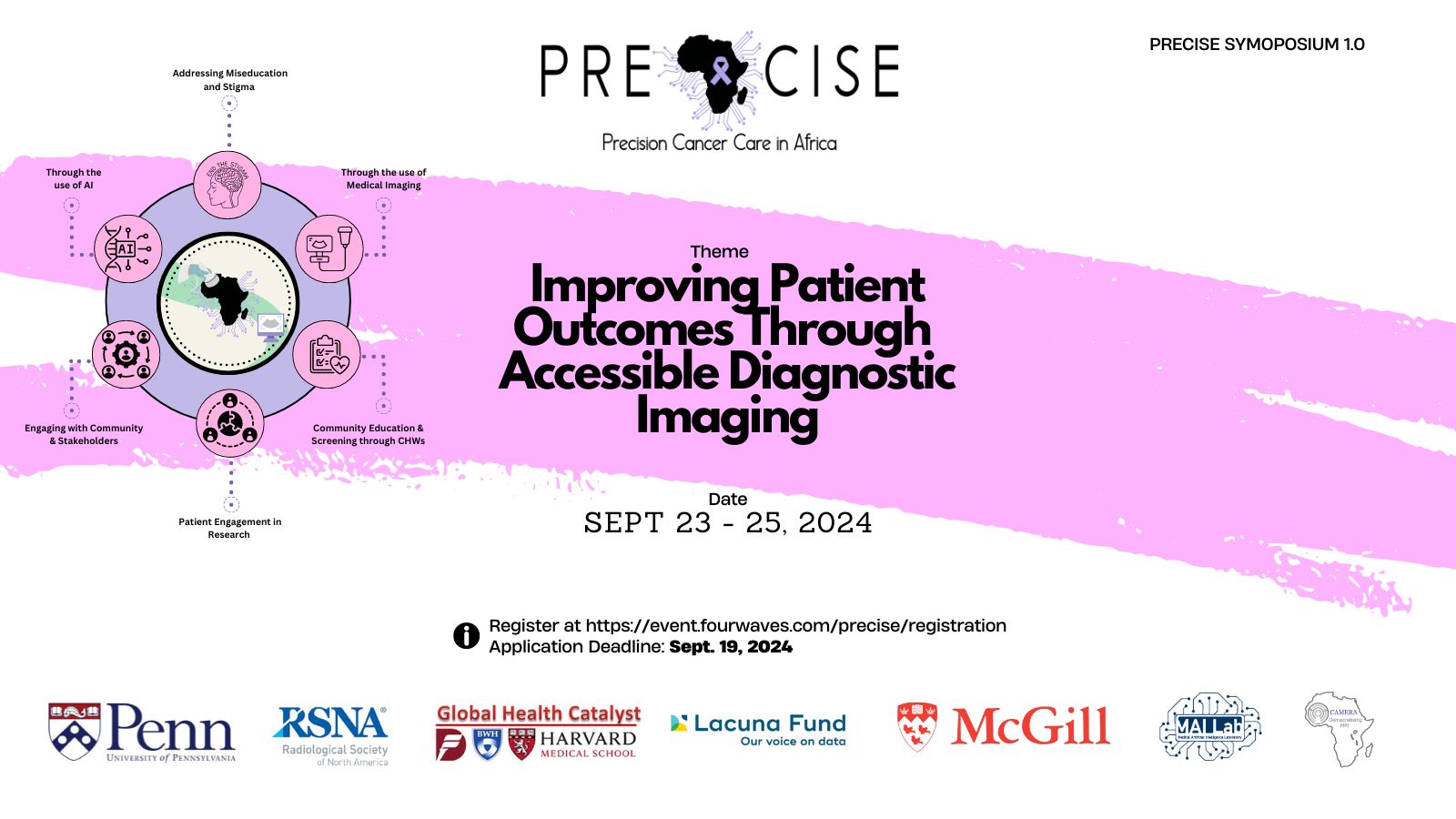
Precise Symposium 1.0
🌟 Join Us for PRECISE: Precision Cancer Care in Africa!🌟 Theme: Improving Patient Outcomes through Accessible Diagnostic Imaging 🗓 FREE Registration: Now open until Sept. 21🔗 Register here: event.fourwaves.com/precise 🗓 Conference Schedule: Pre-Conference & Hackathon:📅 Sept. 23, 9:00 – 16:30 (West Africa Standard Time)📍 NICRAT Building, Abuja, Nigeria Conference Day 1 & Day 2:📅 Sept.…
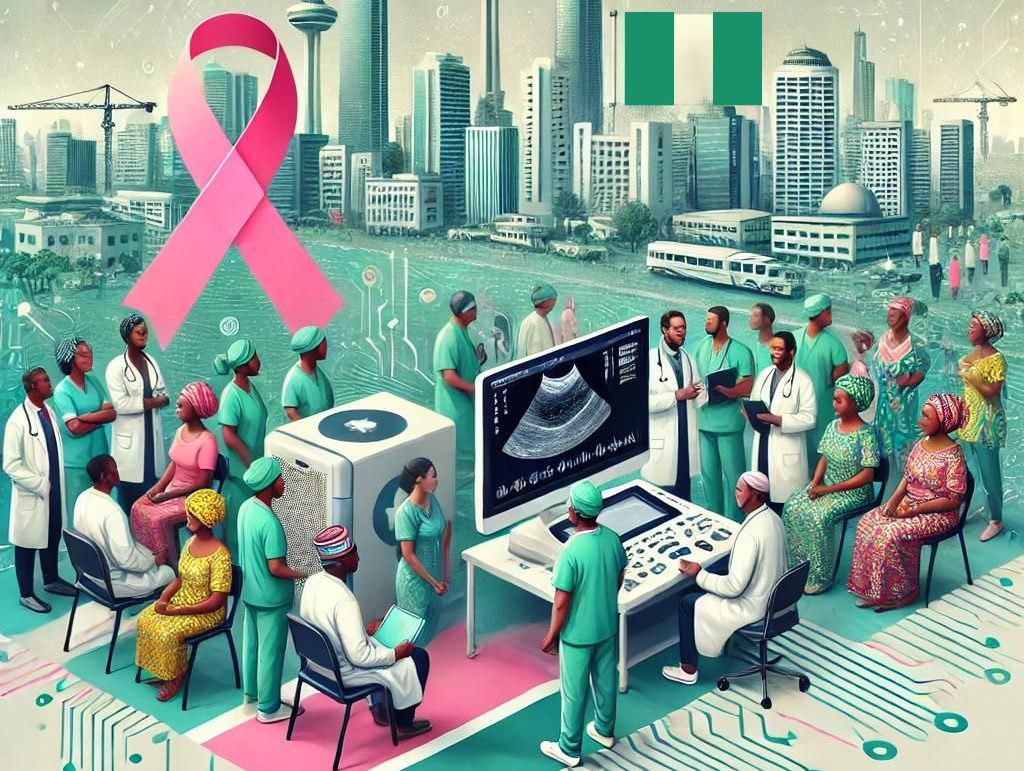
Join the Revolution in Breast Cancer Diagnosis!
MAI Lab is on a mission to transform breast cancer care in Nigeria with cutting-edge AI solutions. We’re launching an innovative project in Lagos and we are looking for passionate collaborators to make a real impact. Are you: If this sounds like you, we want you on our team! Apply now and be part of…
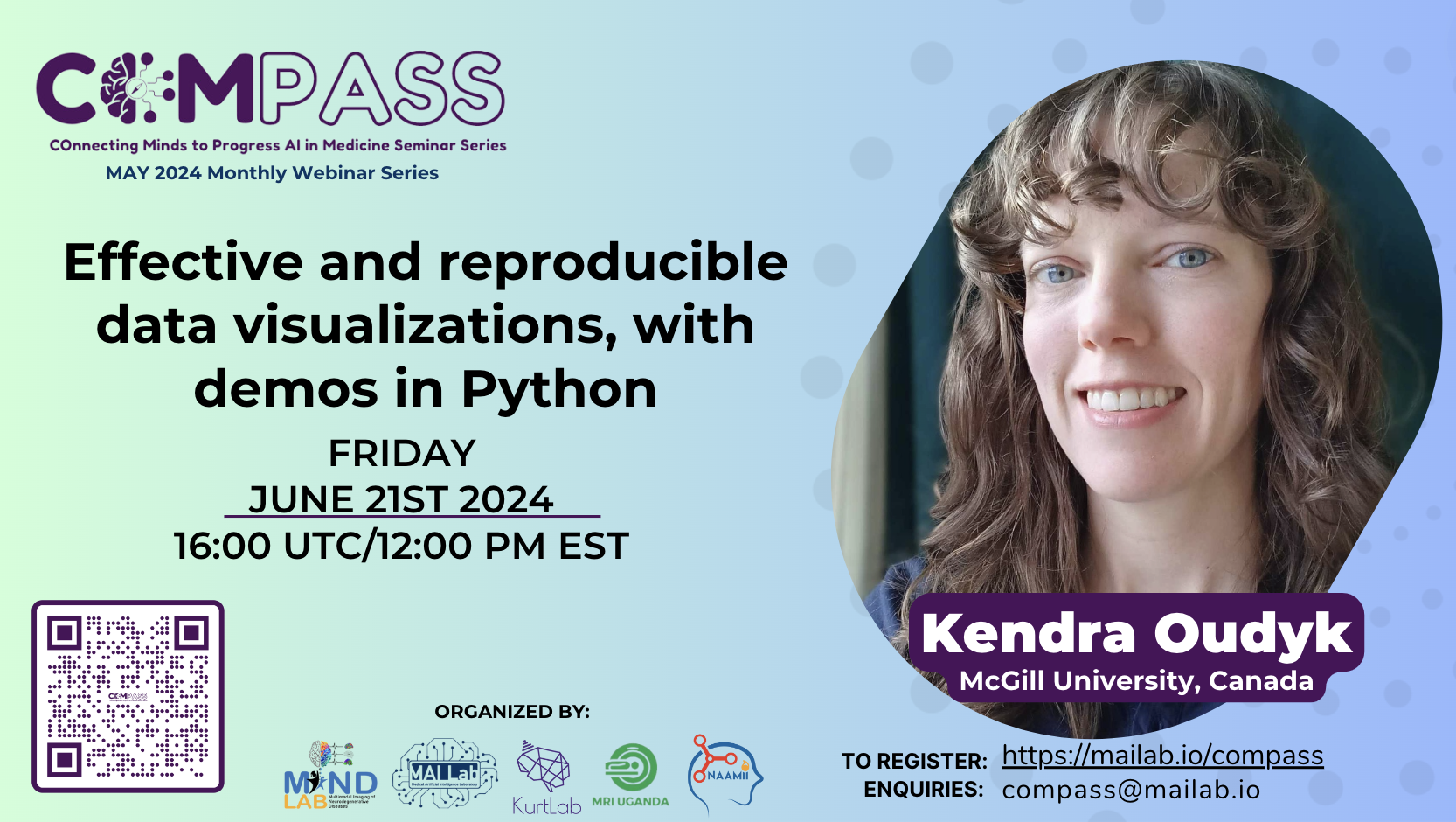
Effective and reproducible data visualizations, with demos in Python – Kendra Oudyk – COMPASS June 2024
Title: Effective and reproducible data visualizations, with demos in Python Abstract: This talk explores the principles and practices of data visualization, with demonstrations in Python. We will cover best practices for creating transparent, shareable, and reproducible visualizations, emphasizing the importance of considering human perception when creating visualizations.Key topics include: 1) Data visualization principles and best…
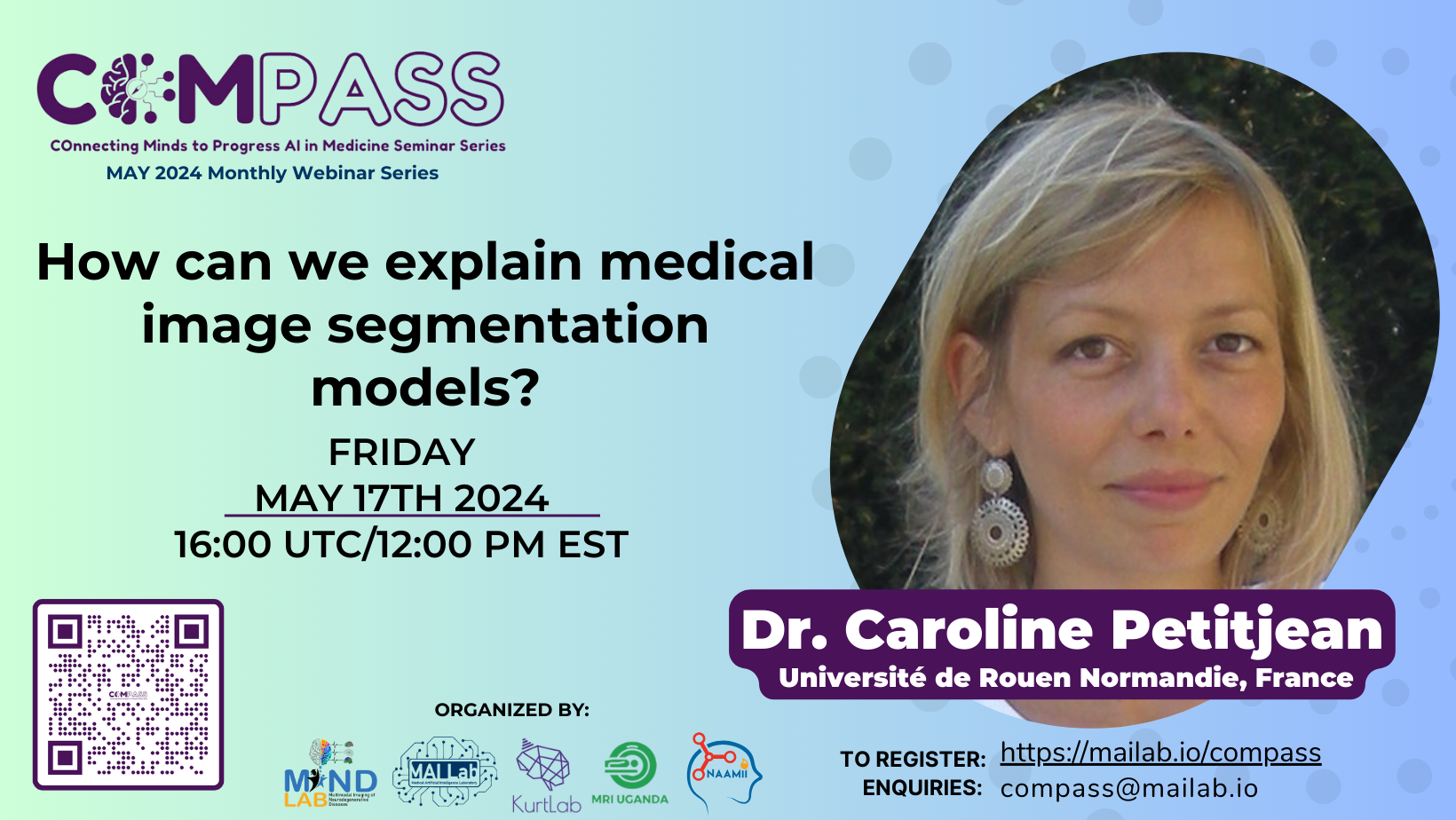
How can we explain medical image segmentation models – Dr. Caroline Petitjean – COMPASS May 2024
Title: How can we explain medical image segmentation models? Abstract: Explainability is a crucial field of AI, and in medical image analysis in particular, to ensure building trust with the clinicians. In computer vision, most of the explainability works have historically focused on image classification, notably to produce saliency maps that highlight the pixels that…
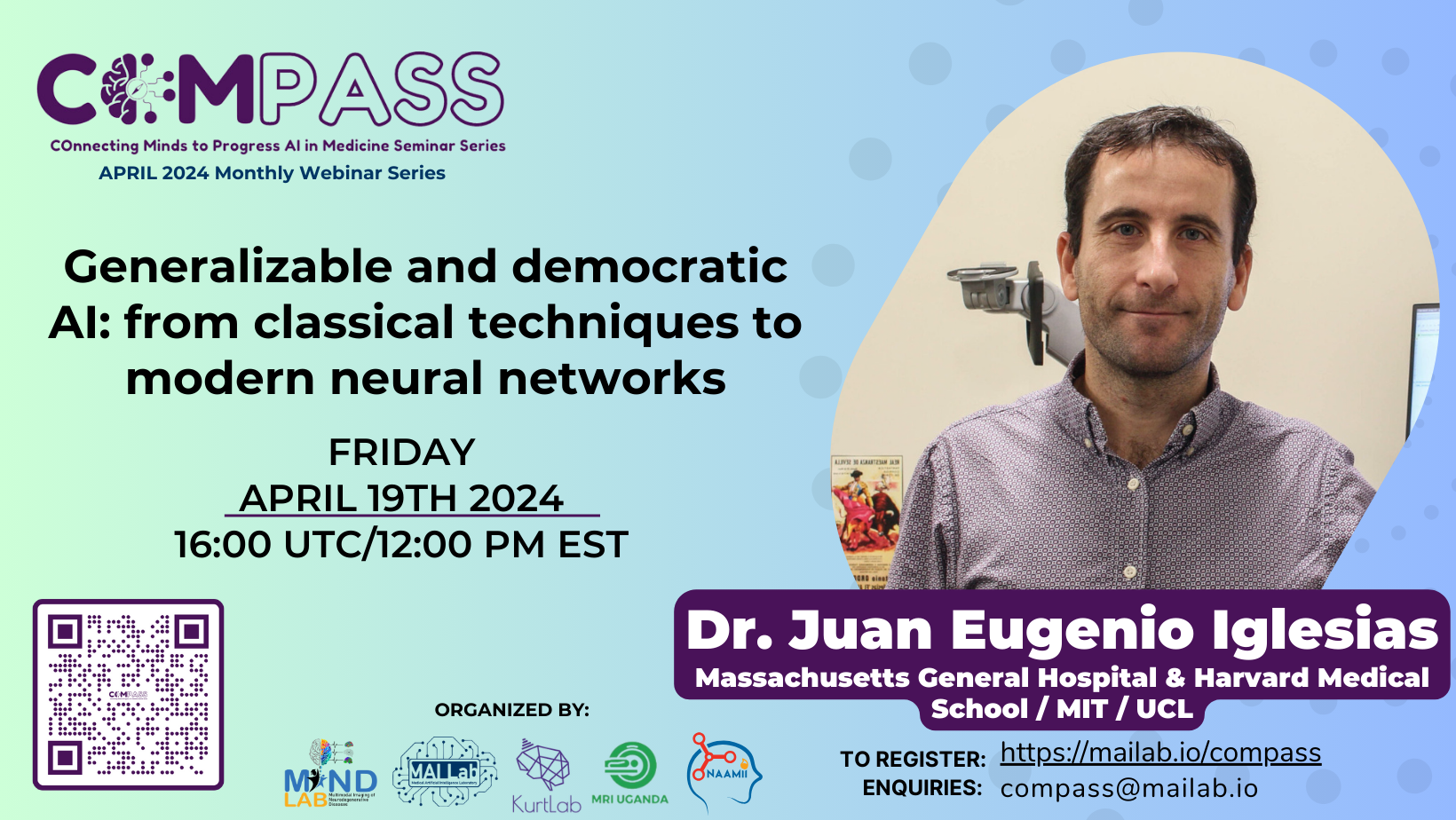
Generalizable and democratic AI: from classical techniques to modern neural networks – Dr. Juan Eugenio Iglesias – COMPASS April 2024
Title: Generalizable and democratic AI: from classical techniques to modern neural networks Abstract: Every year, millions of brain MRI scans are acquired in hospitals, which is a figure considerably larger than the size of any research dataset. Therefore, the ability to analyze such scans could transform neuroimaging research – particularly for underrepresented populations that research-oriented…
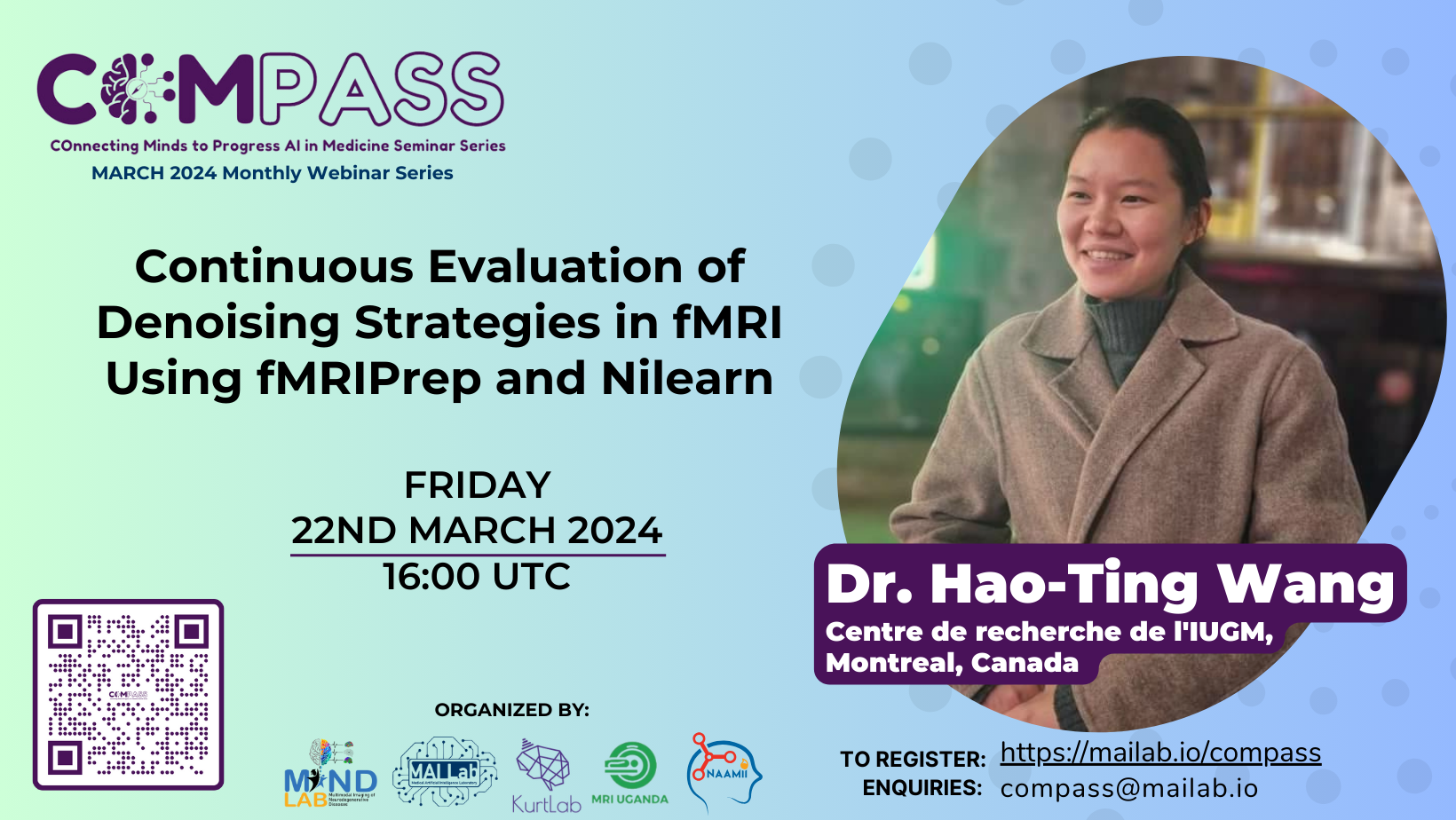
Continuous Evaluation of Denoising Strategies in fMRI Using fMRIPrep and Nilearn – Dr Hao-Ting Wang – COMPASS Mar 2024
Title: Continuous Evaluation of Denoising Strategies in fMRI Using fMRIPrep and Nilearn Abstract: Functional magnetic resonance imaging (fMRI) signal measures changes in neuronal activity over time. The signal can be contaminated with unwanted noise, such as movement, which can impact research results. To fix this, researchers perform two steps before data analysis: standardised preprocessing and customised…
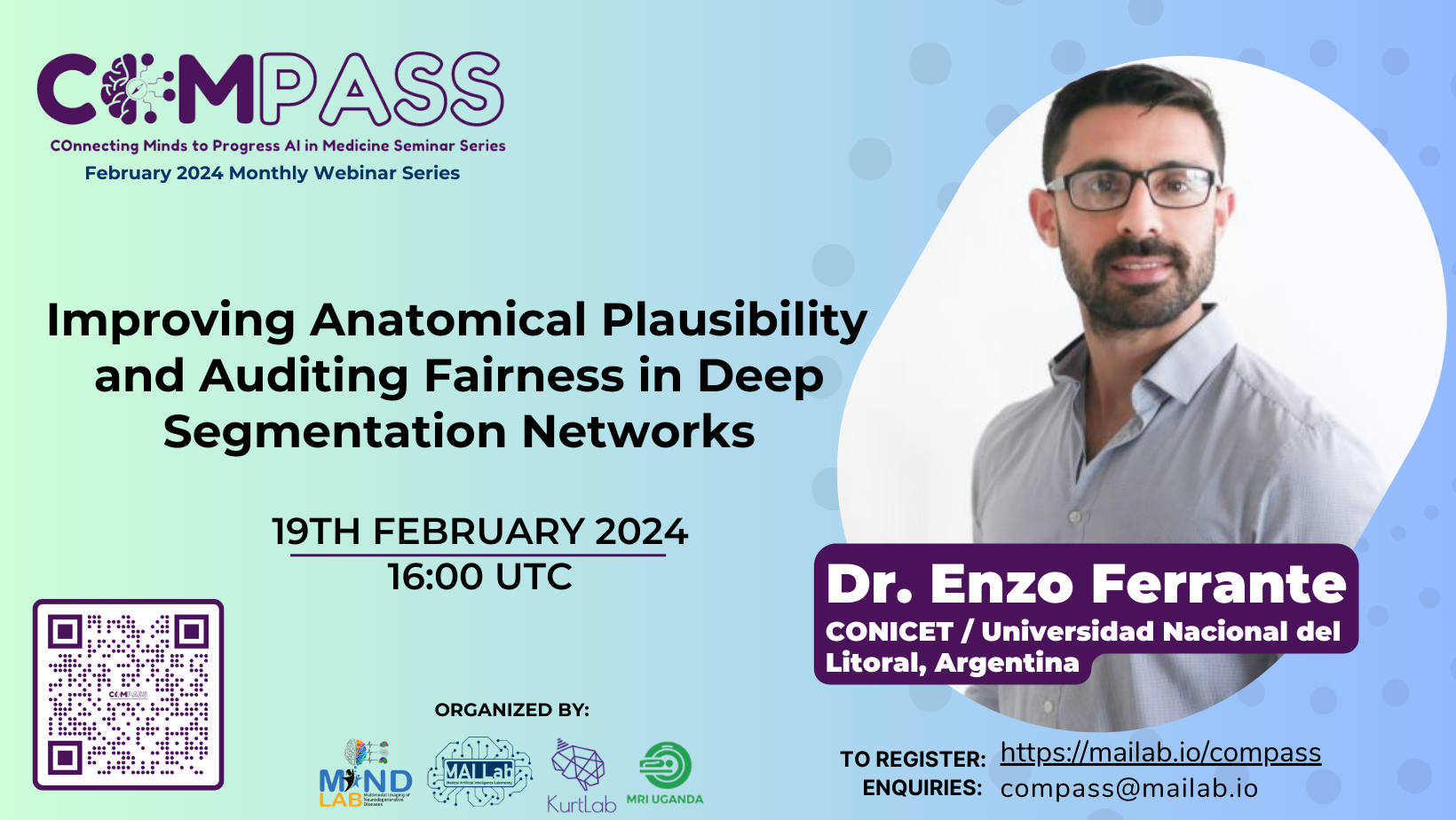
Improving Anatomical Plausibility and Auditing Fairness in Deep Segmentation Networks – Dr Enzo Ferrente – COMPASS Feb 2024
Title: Improving Anatomical Plausibility and Auditing Fairness in Deep Segmentation Networks Abstract: The evolution of deep segmentation networks has empowered the enhancement of extensive medical imaging datasets with automatically generated anatomical segmentation masks. In this talk we will discuss recent methods we proposed to improve anatomical plausibility in deep segmentation networks. By improving anatomical plausibility, we…
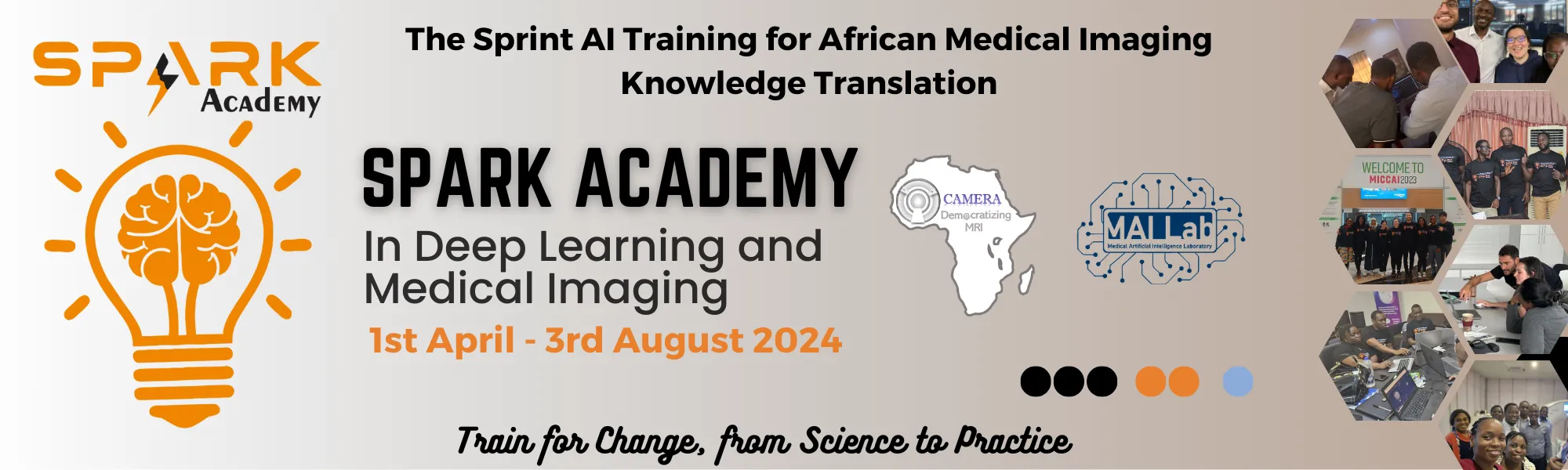
SPARK 2.0: Application Now Open
The inaugural SPARK Academy, in collaboration with McMedHacks, supported by McGill University Graduate Mobility Awards and Compute Canada, took place from April 3rd to August 31st, 2023. The program focused on addressing the pressing issue of cancer diagnosis in sub-Saharan Africa (SSA), with an emphasis on preparing trainees to participate in the 2023 MICCAI brain tumor segmentation challenge (BraTS). SPARK 2023…