
Category: Uncategorized
-
How can we explain medical image segmentation models – Dr. Caroline Petitjean – COMPASS May 2024
Title: How can we explain medical image segmentation models? Abstract: Explainability is a crucial field of AI, and in medical image analysis in particular, to ensure building trust with the clinicians. In computer vision, most of the explainability works have historically focused on image classification, notably to produce saliency maps that highlight the pixels that…
-
Generalizable and democratic AI: from classical techniques to modern neural networks – Dr. Juan Eugenio Iglesias – COMPASS April 2024
Title: Generalizable and democratic AI: from classical techniques to modern neural networks Abstract: Every year, millions of brain MRI scans are acquired in hospitals, which is a figure considerably larger than the size of any research dataset. Therefore, the ability to analyze such scans could transform neuroimaging research – particularly for underrepresented populations that research-oriented…
-
Continuous Evaluation of Denoising Strategies in fMRI Using fMRIPrep and Nilearn – Dr Hao-Ting Wang – COMPASS Mar 2024
Title: Continuous Evaluation of Denoising Strategies in fMRI Using fMRIPrep and Nilearn Abstract: Functional magnetic resonance imaging (fMRI) signal measures changes in neuronal activity over time. The signal can be contaminated with unwanted noise, such as movement, which can impact research results. To fix this, researchers perform two steps before data analysis: standardised preprocessing and customised…
-
Improving Anatomical Plausibility and Auditing Fairness in Deep Segmentation Networks – Dr Enzo Ferrente – COMPASS Feb 2024
Title: Improving Anatomical Plausibility and Auditing Fairness in Deep Segmentation Networks Abstract: The evolution of deep segmentation networks has empowered the enhancement of extensive medical imaging datasets with automatically generated anatomical segmentation masks. In this talk we will discuss recent methods we proposed to improve anatomical plausibility in deep segmentation networks. By improving anatomical plausibility, we…
-
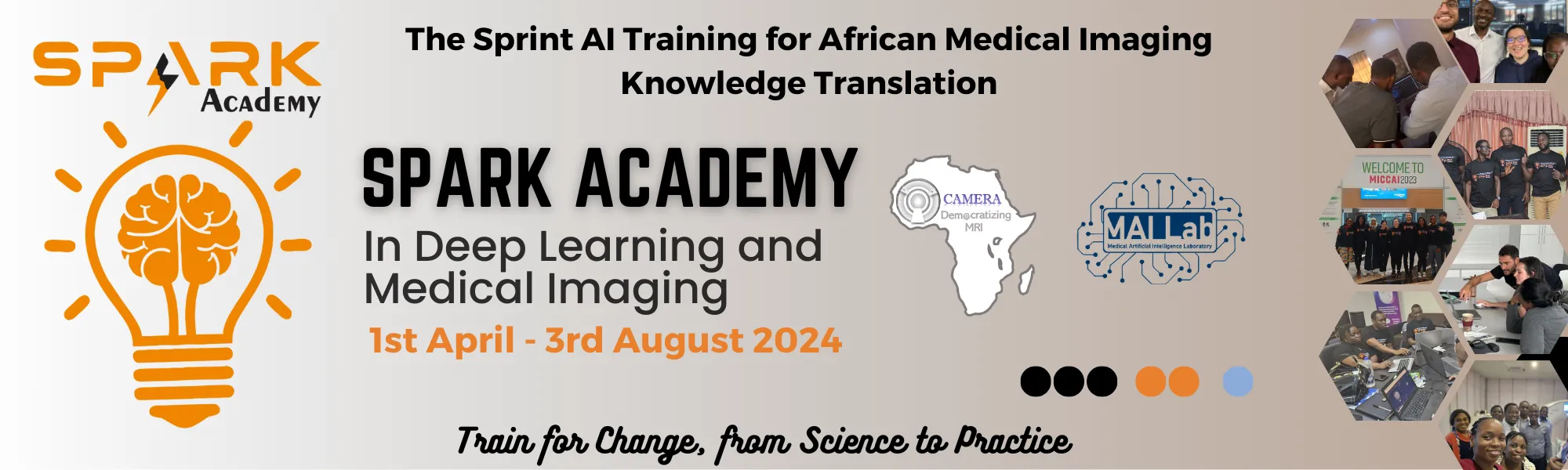
SPARK 2.0: Application Now Open
The inaugural SPARK Academy, in collaboration with McMedHacks, supported by McGill University Graduate Mobility Awards and Compute Canada, took place from April 3rd to August 31st, 2023. The program focused on addressing the pressing issue of cancer diagnosis in sub-Saharan Africa (SSA), with an emphasis on preparing trainees to participate in the 2023 MICCAI brain tumor segmentation challenge (BraTS). SPARK 2023…
-

Join MAI Lab as a Paid Intern in 2024
About MAI Lab: The Medical Artificial Intelligence Laboratory (MAI Lab) based in Lagos, Nigeria is at the forefront of cutting-edge research, aiming to revolutionize healthcare in sub-Saharan Africa through the integration of medicine with artificial intelligence. Our multidisciplinary team is committed to advancing knowledge, addressing healthcare disparities, and promoting innovation in medical technology. About the…
-
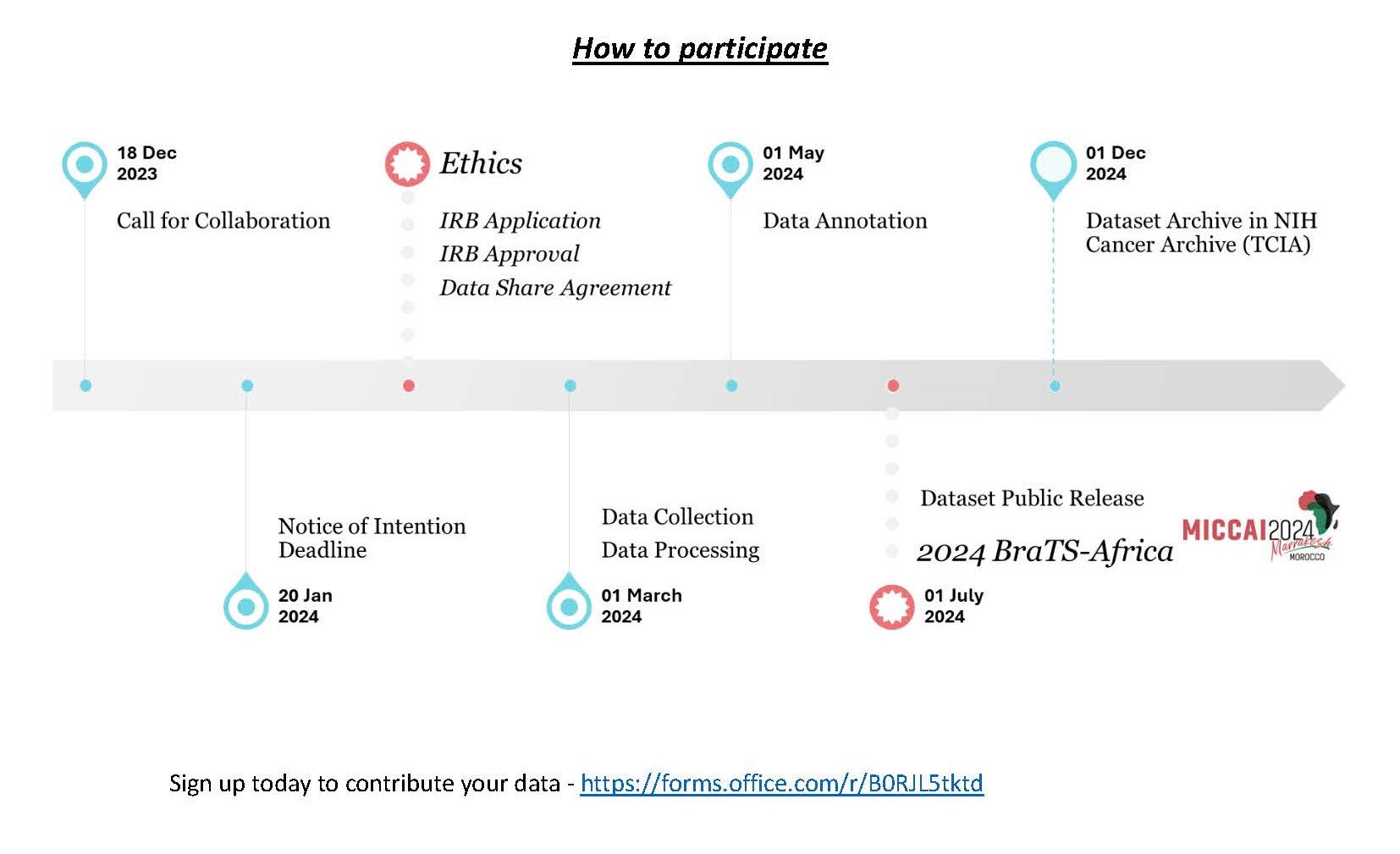
Contribute your MRI Data for BraTS-Africa 2024
Dear Esteemed Researcher, We are delighted to contact you regarding an exciting opportunity to join us in the BraTS-Africa 2024 research collaboration. This is a part of our continuous effort to promote brain imaging research in Africa and improve the diagnosis and treatment of brain disorders in the region. BraTS-Africa is the first Brain Tumour…
-
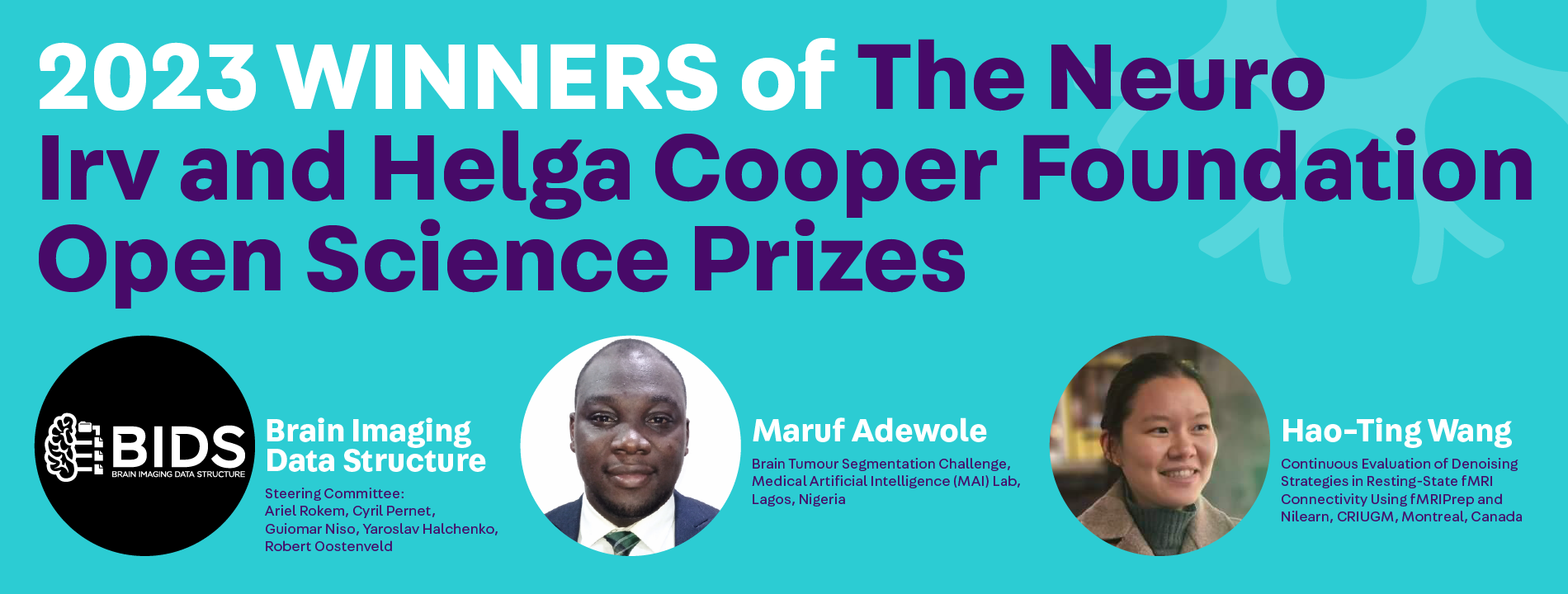
MAI Lab Scientist wins International Prize for Brain Tumour Segmentation
Maruf Adewole, the Lead Physicist and Lab Manager at the Medical Artificial Intelligence Laboratory in Lagos, Nigeria, has won the International Trainee Prize at the 5th Annual Neuro Open Science in Action Symposium 2023. The prize recognizes his innovative work on creating a brain tumour imaging dataset from sub-Saharan Africa for machine learning applications. Adewole’s…
-
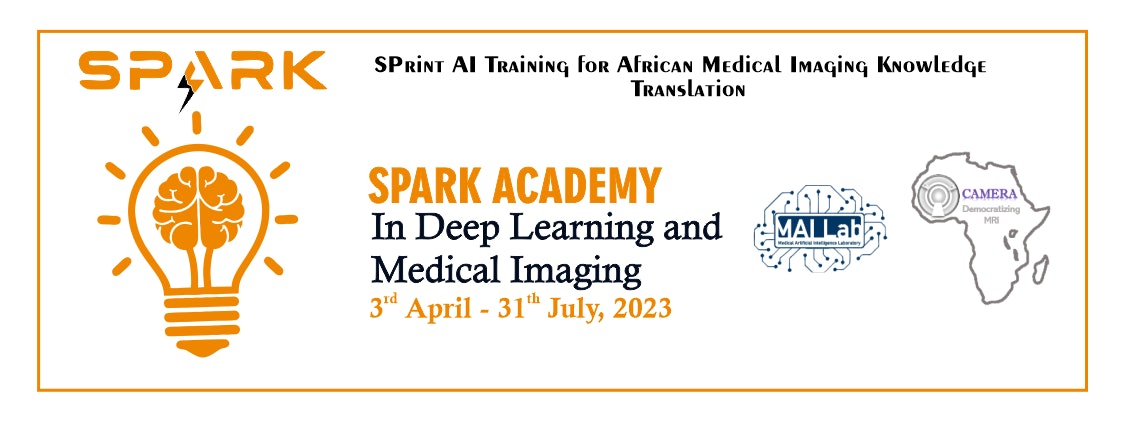
SPARK Academy: Applications now open
Sprint AI Training for African Medical Imaging Knowledge Translation (SPARK) is committed to empowering African data science communities and imaging researchers to develop deployable imaging diagnostic tools that can assist clinicians to provide high-value care and bridge the gap in the medical disparity between Africa and the rest of the world. SPARK is one of the…
-
RSNA News Feature – AI Network in Africa Seeks to Solve Resource Disparities By Uniting Imaging Stakeholders
https://www.rsna.org/news/2023/february/solving-ai-disparities-in-africa BY EVONNE ACEVEDO on February 16, 2023 In Africa, an infrastructure that utilizes an AI “ecosystem” could help place radiology practices in a central network with other stakeholders and researchers throughout the continent and help close gaps in care for underserved patients. But what if technology can’t get to those populations or doesn’t work…